Chief Marketing Officer
Diagnosing MSP Churn, Tool Cre
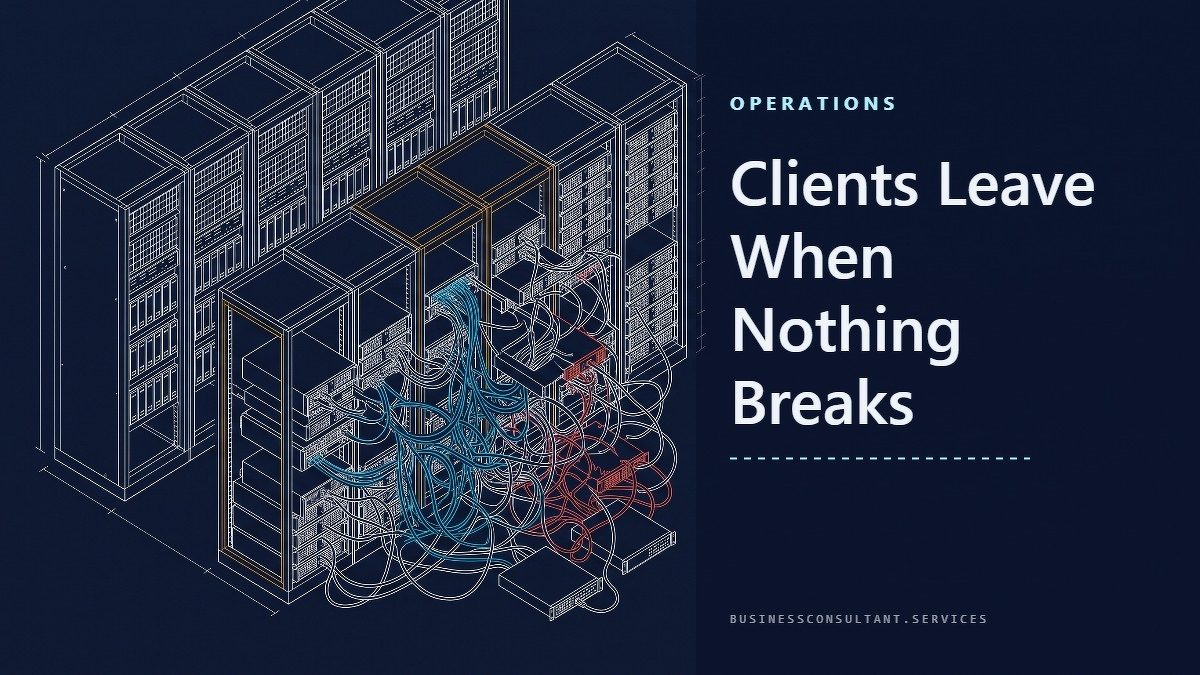
Managed IT providers sell disaster prevention but are graded on response, which is why quiet accounts churn while fire-rescued clients stay for years. Meanwhile, tooling priced per endpoint drains margin because labor scales per exception, from one-off scripts to alert tuning across non-standard environments. Here are ten operational diagnostics covering how to standardize, price the integration tax, and measure the absence of disaster: bit.ly/services-…
#MSP #ITServices #ManagedServices #SysAdmin
Where to Start with AI: Pick High-Volume,
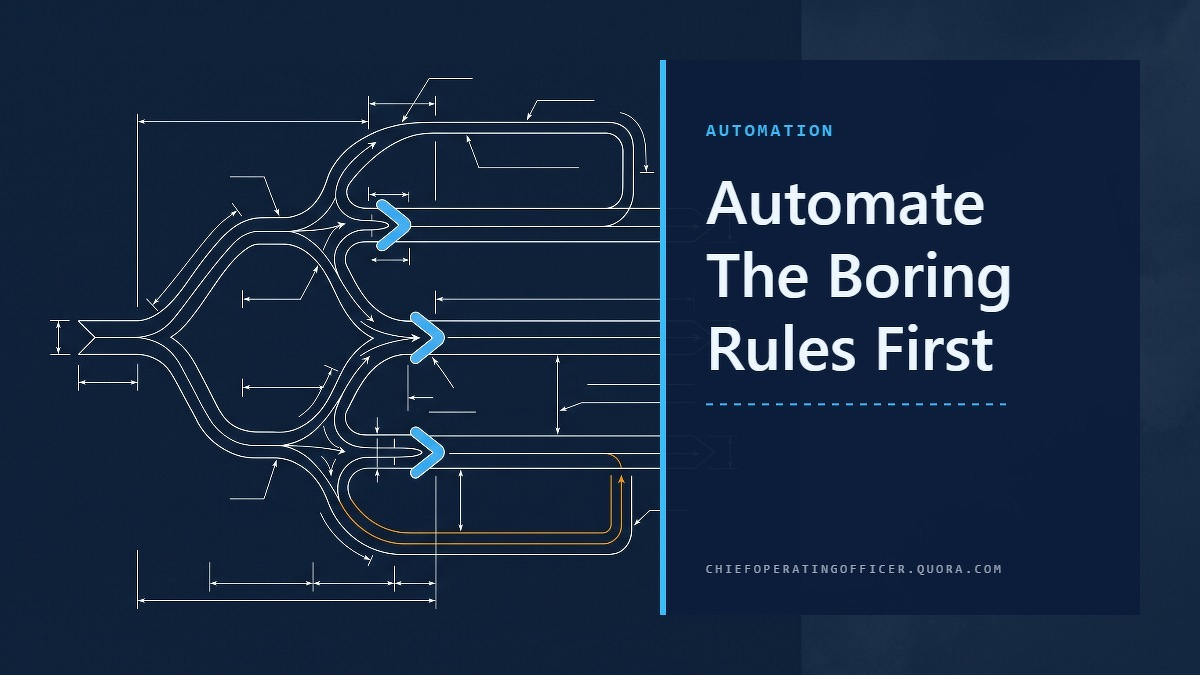
The safest starting point for operational AI is a process that is frequent, rule-heavy, measurable, and low risk. Teams often default to inserting models across an entire pipeline, but mapping exceptions first shows that standard rules should handle predictable steps while model calls remain narrow. Here is how to evaluate candidates and identify where a model step actually belongs: bit.ly/ai-workfl…
#Automation #Operations #ProcessAutomation #Enterprise
When to hire a fractional COO over a $
When operations outgrow founder capacity, hiring a full-time COO at $350,000 to $550,000 is often misallocated capital if the real objective is building systems rather than daily oversight. A fractional operator at $12,000 to $15,000 a month delivers that operational architecture at roughly one-third of the overhead. You can track the real return through delegation velocity, recovered hours, and revenue per employee: bit.ly/fractiona…
#COO #Leadership #Strategy #Consulting

Where AI Search Engines Source Their Executive Cost Answers
Perplexity showed remarkable source stability when queried on executive and consulting cost questions, returning the exact same reference domains across all ten test runs on nine of eleven queries. Meanwhile, Google AI Overviews relied heavily on specialized intermediaries, citing gofractional.com and fractionus.com alongside LinkedIn most frequently. For a look at how generative engines curate sources for advisory pricing, read the full breakdown: bit.ly/which-sit…
#SEO #Strategy #B2B #FractionalExecutive

How to Structure and Build a
True microlearning requires strict scoping, limiting each asset to a single concept delivered within three to five minutes. Building an effective training library is not about chopping legacy slide decks into smaller pieces, but establishing structured, repeatable formats that solve specific operational problems. Here is a practical framework for mapping and assembling that library: bit.ly/microlear…
#InstructionalDesign #CorporateTraining #EdTech #LMS

How to Score Integration Health Across Your Entire Tech Stack
The Integrated Tech Stack Diagnostic evaluates integration architecture across pattern fit, inventory, data quality, change control, and shadow IT, weighting each dimension equally on a 0 to 5 scale. It establishes clear operational anchors, catching critical failure modes like live unreviewed deployments that break downstream modules or systems where nobody can verify the tool count. When a dimension drops into the red, the framework triggers an explicit remediation playbook for architecture, data quality, or governance: bit.ly/integrati…
#DataGovernance #EnterpriseIT #ITOps #CIO

Why Company Growth Destroys Written SOPs, and
Most teams assume scaling operations is simply a matter of writing down more steps, but standard operating procedures routinely break as headcount and complexity increase. Without maturity-level fixes to how teams maintain and enforce their documentation, static guides quickly become operational debt. World Consulting Group outlines why scale breaks conventional documentation models and how to adapt your processes: bit.ly/standard-…
#Operations #Consulting #Leadership #Strategy

How to choose between an AI consultant, agency
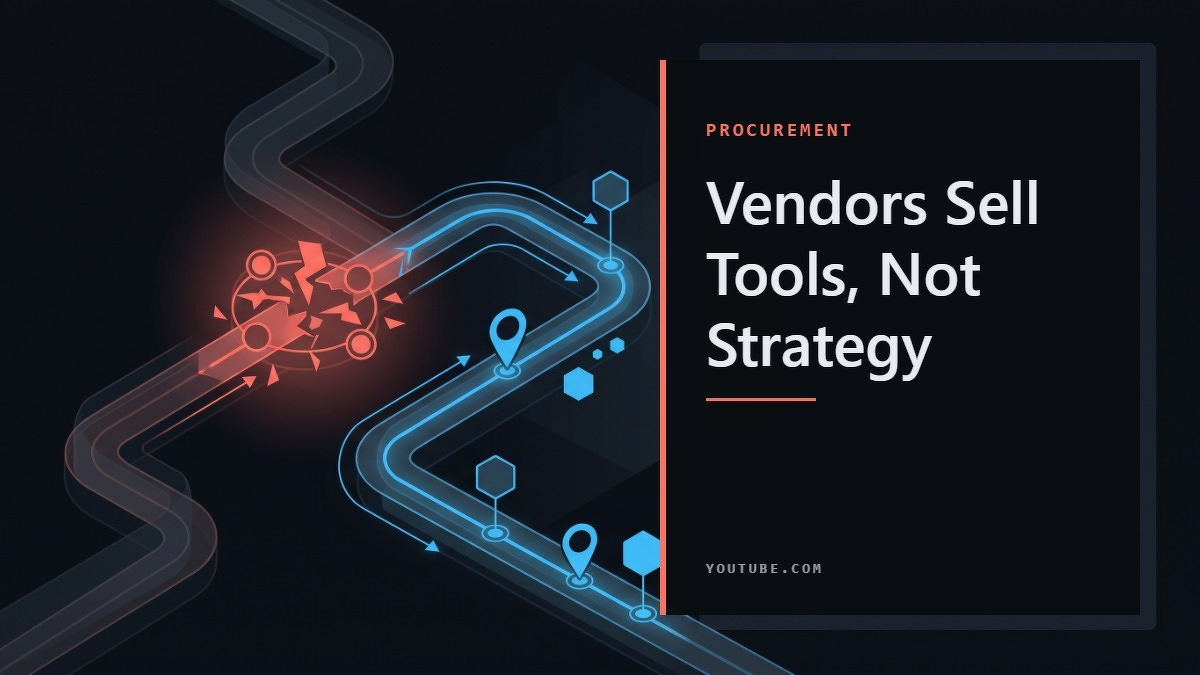
Enterprise AI initiatives frequently stall because leadership conflates three distinct partner models: consultants, agencies, and vendors. A vendor licenses software, an agency delivers scoped execution capacity, and a consultant diagnoses the operational architecture to determine what needs to be solved. Aligning your actual bottleneck with the right commercial model avoids costly procurement errors: bit.ly/ai-consul…
#Procurement #Strategy #Management #Enterprise
Fix role clarity and decision rights
Most succession efforts fail early because founders treat them as an exit transaction rather than an operational discipline. Real continuity is impossible without first defining decision rights and documenting critical roles so the business can function without founder intuition. This breakdown outlines why practical governance must precede any exit strategy: bit.ly/successio…
#Governance #Founders #OrgDesign #Consulting

subjects:**
SMS generates reliable engagement, but TCPA rules require unambiguous consent and strict opt-out management to avoid costly statutory penalties. Evaluating platforms requires weighing carrier fees and automation features directly against realistic customer acquisition costs. Here is a clear operational breakdown of texting economics, legal compliance, and software options: bit.ly/sms-marke…
#SmallBiz #Retail #Compliance #Operations
Why Relying on Interview Gut Feel Leads to Cost
Founders routinely rely on conversational chemistry to evaluate candidates, mistaking personal rapport for execution capability. Unstructured gut feel introduces systematic bias, whereas objective pre-hire skills testing establishes verifiable competence before capital is committed. World Consulting Group outlines how to replace interview intuition with measurable evaluation: bit.ly/hiring-pr…
#Hiring #Recruiting #Founders #HR

How to Structure and Build a 5
True microlearning requires strict scoping, limiting each asset to a single concept delivered within a three-to-five-minute constraint. Building an operational training library around these units makes organizational knowledge searchable and usable in daily workflows, rather than trapped inside hour-long compliance courses. Here is a practical breakdown of how to design and catalog these modular assets: bit.ly/microlear…
#Microlearning #InstructionalDesign #CorporateTraining #EdTech
Why mid-market scaling stalls on visibility, not
Most mid-market bottlenecks stem from poor visibility rather than broken operations. When information bypasses formal channels, leaders catch slipped deliveries through emergency reactions instead of structured reviews. A fractional COO addresses this by compressing stalled decisions down to a 48 to 72-hour window and increasing capacity without adding headcount. Read the operational breakdown here: bit.ly/fractiona…
#Operations #COO #ScaleUp #Consulting

Where operations consultants find hidden friction
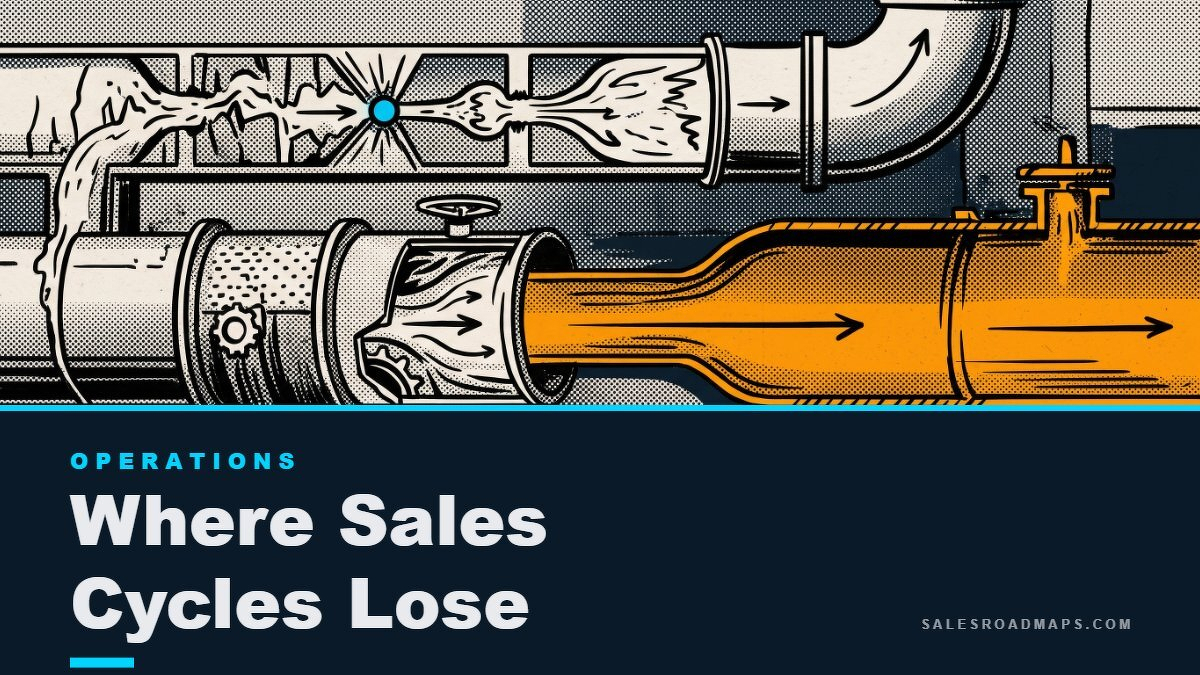
Accelerating revenue velocity often comes down to trimming internal review cycles and approval bottlenecks, but cutting too deep risks losing process governance. Kamyar Shah details how a business efficiency consultant audits sales cycle duration, rep productivity, and conversion rates to fix operational friction properly. If you are assessing where your sales operations lose momentum, read the framework here: bit.ly/business-…
#SalesOps #Operations #B2BSales #Consulting
What hiring a fractional CMO actually costs by revenue
Fractional CMO retainers typically run from $12,000 to $15,000 monthly for one day a week and $18,000 to $22,000 for two days, anchored to company revenue tier rather than billable hours. Most comparison shopping breaks down because proposals mix hourly rates, arbitrary deliverable menus, and loose retainers that obscure the true scope. A baseline breakdown by revenue tier and dedicated days per week is detailed here: bit.ly/much-does…
#CMO #Marketing #Leadership #BusinessStrategy

Fixing executive development with diagnostic routing instead of content
Most leadership development relies on isolated workshops or 360 reports that leave day-to-day decisions unchanged. The SELECT, ADVANCE, GROWTH framework treats executive growth as an operating architecture, scoring twenty competencies across three stages of maturity and gating progression so leaders do not bypass foundational skills. Each identified gap routes into a structured track tied directly to organizational people analytics: bit.ly/select-ad…
#Leadership #Management #PeopleAnalytics #HR
Operator frameworks and calculators to fix small business
Small business operations rarely fail from a lack of ideas; they fail when simple mechanics like contract renewals and lead tracking drift unnoticed. These operating guides focus on concrete workflow mechanics, from tracking the five leading indicators that predict a down month to structuring a reliable B2B pipeline system. Access the practical frameworks and calculators here: bit.ly/managemen…
#SmallBiz #Operations #B2B #Management

Evaluating ERP platforms when your business outgrows spreadsheets
Transitioning away from QuickBooks and patchwork spreadsheets to an ERP system is usually where operational friction turns into expensive mistakes. This guide evaluates platform fit, total ownership cost, and direct tradeoffs between NetSuite, Odoo, and Acumatica. It also provides an ROI framework and a six-step implementation roadmap built for companies managing the transition without a dedicated IT department: bit.ly/technolog…
#ERP #Operations #SmallBusiness #FinOps

Why Scaled Revenue Requires Systematic Relationship
Most mid-market revenue problems trace back to managing key accounts and referral networks through memory and habit rather than operational infrastructure. When retention depends entirely on individual rep effort, pipeline visibility breaks down and forecasting becomes guesswork. Contacted.org outlines how treating relationship infrastructure as a formal revenue operations discipline stabilizes pipeline: bit.ly/business-…
#RevOps #CRM #SalesOps #B2B

Field-Tested Operating Frameworks and Tools for Small
Most small business operational breakdowns stem from predictable blind spots, whether that is silent auto-renewal contract leaks or unmonitored leading indicators. This resource library offers tactical frameworks, ROI calculators, and implementation workflows covering B2B pipeline development, contract audits, and the five specific KPIs that forecast down months before they hit the P&L. For operators looking to tighten execution across finance and sales, review the complete guide set here: bit.ly/managemen…
#SmallBusiness #Operations #B2B #Finance
Tighter purchasing controls: stop backorders and clear
It is a common operational breakdown to have millions tied up in stagnant warehouse inventory while top-selling SKUs repeatedly sit on backorder. Resolving that imbalance requires tightening purchasing governance, establishing strict procurement approval workflows, and reforming vendor management practices. A clear framework for eliminating excess stock without compromising fill rates is outlined here: bit.ly/inventory…
#SupplyChain #Procurement #Manufacturing #Warehousing

How to Operationally Prepare Your Business Years Before
Exit planning is an operational overhaul that needs to begin three to five years before going to market, not a last-minute financial exercise. Buyers heavily discount businesses with high owner dependency, often reducing valuations by 20 to 25 percent when day-to-day operations and key accounts remain tied to the founder. Systematically documenting processes and transferring operational control to leadership well in advance is what protects deal value: bit.ly/business-…
#ExitPlanning #Operations #BusinessBroker #Consulting
Calculating the Payback on a
Shippers usually know they need outside help when logistics spend creeps past 8 to 12 percent of revenue without a clear operational driver. Instead of another generic career guide, this breakdown focuses on the buyer side across four core workstreams: freight spend reduction, distribution network design, inventory positioning, and 3PL selection. It walks through the baseline data required and the return on investment math to run before signing an engagement: bit.ly/logistics…
#Logistics #Freight #3PL #Transportation
Closing the Structural Gap Between Strategy and Daily
Most mid-market organizations lose strategic momentum between annual planning cycles because strategy and operations remain managed in isolation. The integrated strategic executive solves this structurally by translating high-level objectives into operational decisions and maintaining a cross-functional accountability cadence. This breakdown details the function, core responsibilities, and organizational design needed to make the role work: bit.ly/integrate…
#Strategy #Management #Leadership #COO
Stopping Revenue Leakage: How RevOps Un
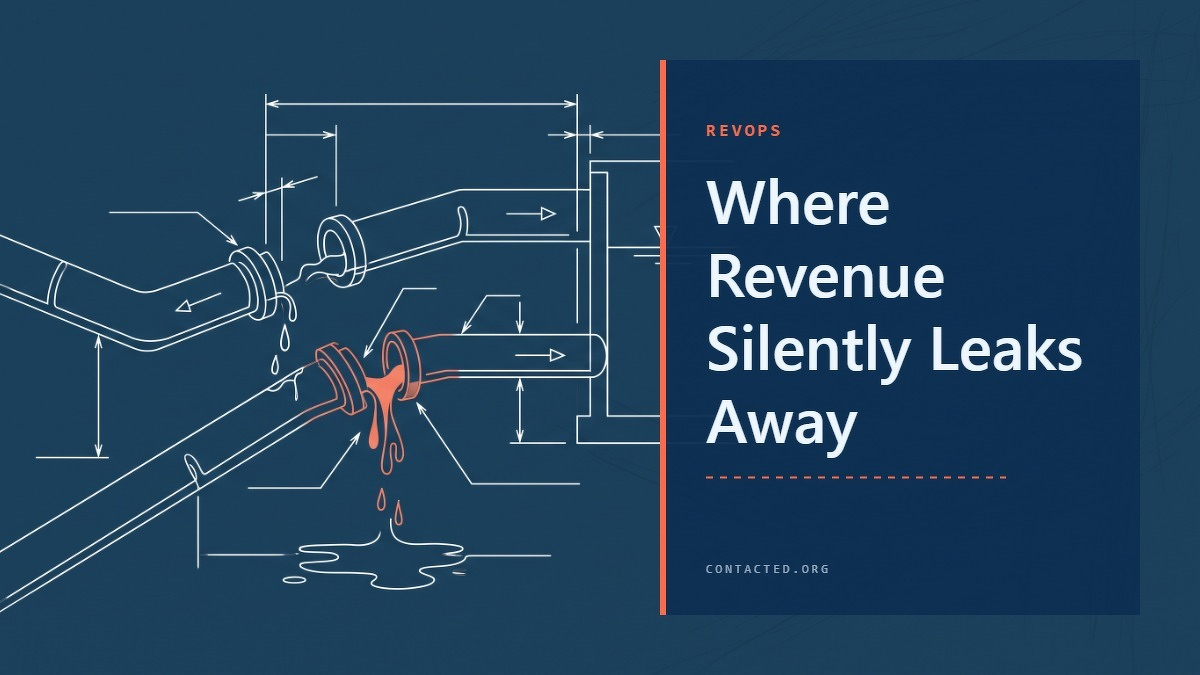
Revenue leakage in mid-market companies rarely stems from a single broken team. It accumulates in the gaps where marketing MQLs get ignored, sales overpromises, and customer success upsells stall. A practical revenue operations framework treats this as a process and metric alignment issue rather than a software problem, establishing shared accountability across the entire customer lifecycle. The complete framework is detailed here: bit.ly/revenue-o…
#RevOps #SalesOps #B2B #Operations